
Family businesses with a strategic business plan were more likely to achieve profitable growth
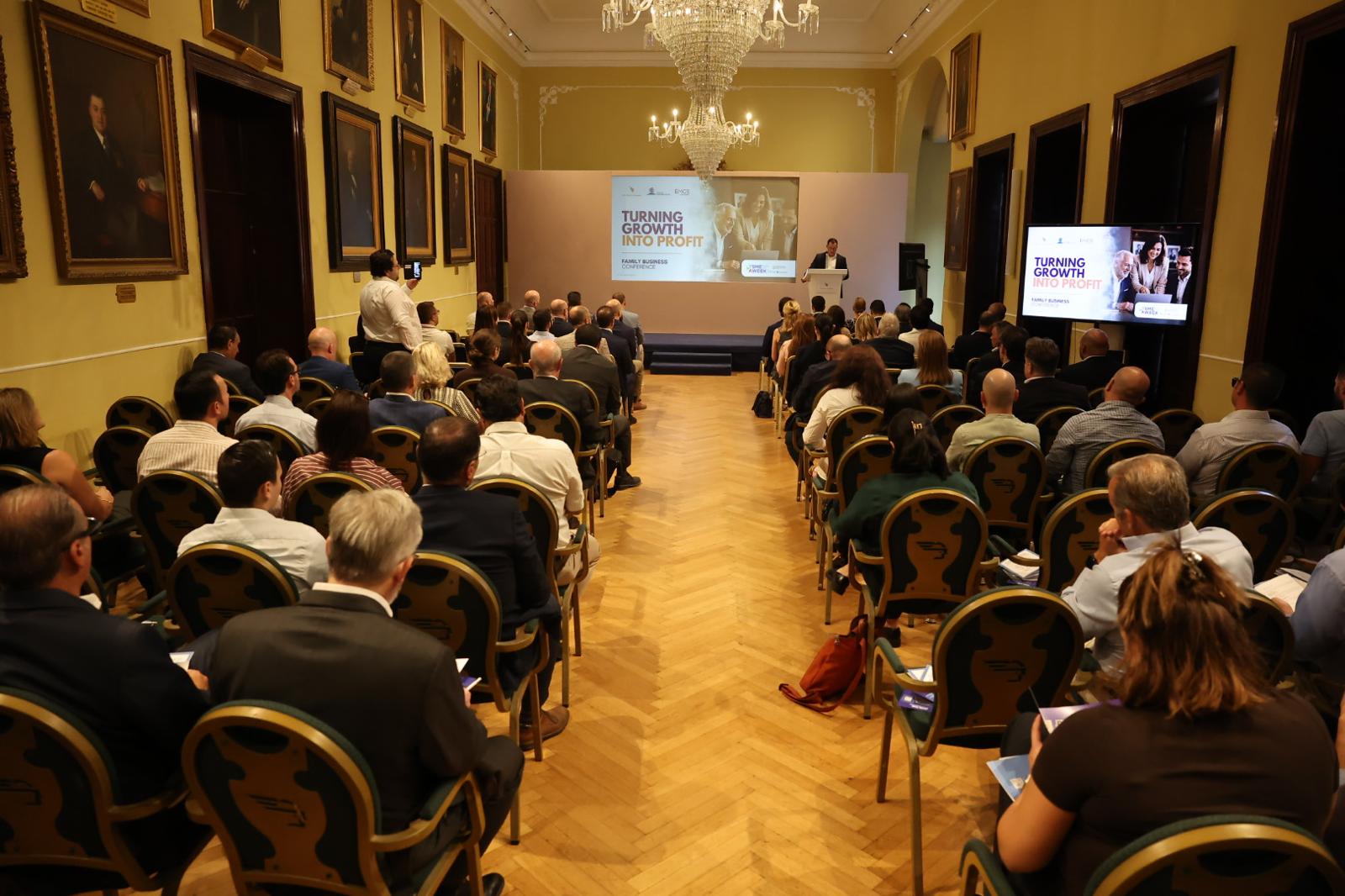
The Malta Chamber of Commerce, Enterprise and Industry, together with EMCS Advisory and the Family Business Office in Malta as part of Malta SME Week 2026, organised the third family business conference. The ‘Turning Growth into Profit: Structure, Governance & Digitalisation in Family Business’ conference brought together business leaders, policymakers, and family business owners to explore practical solutions for building more resilient, efficient, and future-ready organisations.
The focal point of the event was the presentation of the key findings of a comprehensive Family Business Survey 2026, providing valuable insights into the opportunities and challenges facing family-owned enterprises today. The survey highlighted that companies with an active written strategic plan have a markedly superior financial trajectory. Some local firms are experiencing profit compression. This underlines the fact that family businesses realise that traditional informal setups cannot handle expanding turnovers efficiently, prompting them to lean heavily into standardizing roles and professional processes.
The largest collective headache across the survey resides within the ‘Profitless Growth’ segment (increase in turnover but lower profits, accounting for 37.% of respondents). This pressure is felt most acutely by mid-sized firms falling into the 10-50 employee ‘scaling canyon’ and companies operating inside the ‘Importation & Distribution’ industry. When family businesses scale without formalising their framework, they face severe margin contraction.
Vice President and Chair of Family Business Committee within The Malta Chamber, Silvan Mifsud, presented the Family Business 2026 Survey Results. Mifsud highlighted that “expanding turnover is meaningless if it merely dilutes profit margins. The survey findings reveal 55% of family businesses saw profits stall or decline despite higher sales, in the post pandemic years, trapped in relentless daily firefighting. Long-term survival demands breaking this cycle through disciplined governance, digitalisation, and a clear strategic plan that turns volume into sustainable profit.”
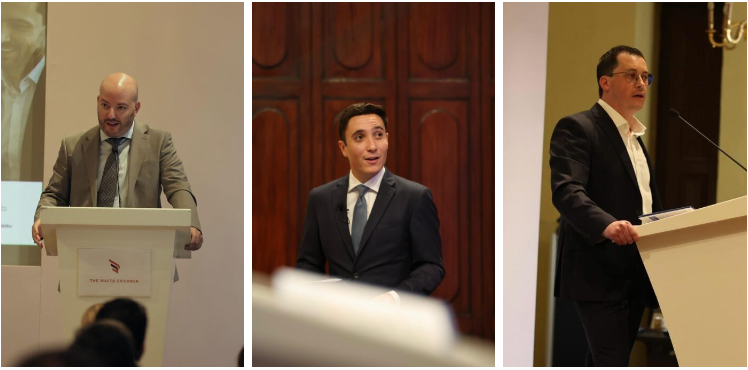
In a message to the Family Business Community, Hon. Silvio Schembri, Minister for Economy, Technology and Strategic Projects, said “when we speak about Family Businesses we are speaking about some of Malta’s most enduring success stories. Across generations, they have created jobs, invested in communities, and built enterprises that continue to contribute to our country’s prosperity.”
Minister Schembri also highlighted the number of support measures available for Family Businesses, and the efforts which will continue to be made to make assistance clearer, accessible and easier to navigate. Minister Schembri also emphasised that efforts must continue to be made to invest in skills, training and lifelong learning and the importance of digitalisation to help businesses embrace technology by making use of the funding available.
Dr Joseph Gerada, Regulator of the Family Business Office, said that “the survey highlights the commitment of family businesses and the challenges they face in turning growth into stronger profits. It also shows encouraging progress in how families plan for the future and manage their businesses. This conference builds on that progress by encouraging business owners to set aside time for strategic planning, to prepare for succession, and to seek advice that addresses the needs of both the business and the family. Through the Family Business Office, we support families with training, guidance and partnerships that help them turn their hard work into lasting profitability. Our aim is to help them strengthen what they have built, give the next generation the confidence and skills to carry it forward, and preserve the family values that underpin their success.”
In his opening remarks, Jordy McKay, Head of Corporate Banking Department at BNF Bank, said that “turnover is vanity, profitability is sanity, cashflow is reality. Turnover is vanity because sales figures can look impressive. Revenue growth often attracts attention and creates a perception of success. Profitability is sanity because ultimately a business must generate sustainable returns if it is to invest, innovate and endure.”
Kurt Muscat, Manager at EMCS Advisory, in his presentation said that businesses need to professionalise through stronger governance and invest in productive capital if they are to achieve sustainable growth. “Otherwise, they risk falling into the same trap, where headline growth is driven primarily by an increase in workforce. In a tight labour market, wage growth outpaces productivity growth, ultimately resulting in lower profits or, to quote today’s theme, “profitless growth.” The key takeaway is clear: businesses need to make productive investments to ensure they are not only successful today, but resilient enough to thrive for generations to come,” he noted.
Register for the Conference
Join the discussion.